Managing drain fields and leach fields requires reliable, science-backed products. The following selections emphasize effective bacteria-based cleaners, enzymes, and shock treatments designed to restore flow, reduce backups, and maintain long-term performance in septic systems. Each option targets organic buildup, odors, and sluggish drainage without harsh chemicals.
| Product | Brand | Format | Key Benefit |
|---|---|---|---|
| Roebic K-570-Q | Roebic | Liquid concentrate | Rapidly breaks up clogging and rebuilds drainage |
| Accelerator by Dr. Pooper | Accelerator by Dr. Pooper | Tablets | Boosts bacteria; reduces odors and backups |
| Adios! Drain Field Treatment | ADIOS! | Liquid / 32 oz | Enzymes break down fats and organic matter |
| Septi-Flow Shock Drainfield Cleaner | Septi-Flow | Shock concentrate | Heavy-duty cleaner to clear hardened soils |
| GREEN PIG Drain Field Cleaner | GREEN PIG | Liquid enzymatic treatment | Enzyme-based maintenance and odor control |
Roebic K-570-Q 32-Ounce Leach And Drain Field Opener

Roebic K-570-Q is designed to treat clogged or sluggish drain fields—the primary cause of septic system failure. The all-natural, biodegradable formulation promotes aerobic bacteria that resist soaps and detergents, helping to restore proper drainage. The product’s patented Roetech bacteria specifically target proteins, starches, and other organic debris that can limit flow. This makes it a strong option for proactive maintenance or after a suspected field slowdown. The concentrate delivery enables targeted dosing with a focus on rapid action and environmental safety.
Accelerator by Dr. Pooper Drain Field Cleaner Tablets

This tablet-based solution provides a 10-month supply with 90% less plastic packaging. The formula claims to multiply natural bacteria up to 40X, delivering a robust microbial boost to dissolve grease and organic solids. It targets clogs, odor, and sludge across both drain fields and septic tanks, aiming to restore flow and reduce the need for more invasive maintenance. The product emphasizes odor elimination, with enzymes and bacteria working to neutralize hydrogen sulfide and related smells at the source.
Adios! Drain Field Treatment and Cleaner

Adios! Drain Field Treatment is a 32-ounce bioactive formula that opens and restores drain fields by breaking down fats, greases, and organic matter trapped in septic systems, pipes, gravel, and distribution boxes. The product uses enzymes rather than aggressive chemicals, aiming for ongoing maintenance and prevention. It’s pitched as safe for regular use, with an emphasis on preventing future blockages and maintaining smooth flow through the entire septic system and drain field with a monthly treatment schedule.
Septi-Flow Shock Septic Drainfield Cleaner
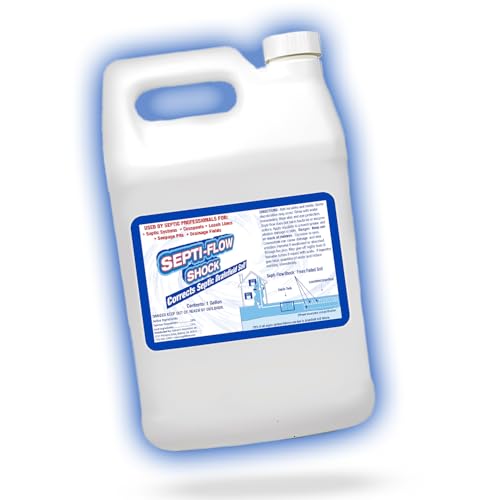
Septi-Flow Shock is a heavy-duty cleaner designed to tackle severe drain field buildup. It works through a combination of bacteria cultures and enzymes to break down soaps, detergents, sodium, and sulfate residues that can block lines. The product emphasizes a biodegradable solution compatible with all septic systems, pipes, and plumbing, making it suitable for periodic shocks to rejuvenate a stressed drain field.
GREEN PIG Drain Field Cleaner

GREEN PIG offers an enzymatic drain cleaner and deodorizer formulated to rapidly clear leaks in leach lines, while also reducing odors. The product claims septic-system safety at typical treatment scales (500–1500 gallons) and positions itself as an environmentally friendly option with short, straightforward maintenance. It focuses on maintaining clear pipes and preventing foul smells through ongoing enzyme activity and biodegradability.
Cabin Obsession Septic System Drain Field Cleaner

Cabin Obsession offers a professional-strength shock treatment designed to break down complex organic solids and rejuvenate slow leach fields. The product emphasizes rapid dispersion and high bacterial activity to increase drainage flow. It is positioned as compatible with monthly maintenance pods, allowing a combined approach to keep septic systems operating smoothly and reduce the risk of backups during high-use periods.
Buying Guide: Key Considerations for Drain Field Treatments
- System type and size: Choose products that match the capacity of your septic system (gallons and field length) and whether you need a maintenance regimen or a shock treatment for a known slowdown.
- Active ingredients: Enzymes and bacteria-based formulas are generally safer for pipes and the environment than harsh chemical cleaners. Look for products labeled biodegradable or septic-safe if you have a standard home system.
- Application method and frequency: Tablets, liquids, and shock concentrates vary in application. Consider ease of use, time to act, and whether a monthly maintenance plan aligns with your habits and seasonal usage.
- Odor control: If odors are a concern, prioritize products that explicitly mention hydrogen sulfide neutralization or long-lasting odor reduction on the packaging.
- Long-term maintenance vs. one-time fixes: Maintenance-focused products can prevent future problems, while shock treatments may be best reserved for periodic rejuvenation of a sluggish field.
- Safety and storage: Ensure storage suitability around children and pets. Prefer products with non-caustic formulas and minimal VOCs, especially for households with sensitive occupants.
- Environmental impact: Biodegradable formulations and naturally derived bacteria are generally preferable for groundwater safety and eco-friendliness.
When selecting drain field treatments, align your choice with the symptoms you observe—slow drains, back-ups, or persistent odors—and consider combining a maintenance product with a periodic shock for optimal results. Always follow the manufacturer’s dosing instructions to avoid over-treating or unintended consequences in the septic ecosystem.