Selecting the right double bubble insulation can dramatically improve energy efficiency in metal buildings, garages, barns, and workshops. This guide compares top-rated options, highlighting reflective layers, vapor barriers, and ease of installation. Each product below includes a brief look at its features, suitable applications, and what to consider when choosing the best double bubble insulation for your structure.
| Product | Type | Size | Key Benefit |
|---|---|---|---|
| EcoFoil Double Bubble Insulation Roll | Foil/Bubble | 48″ x 75′ (300 sq ft) | High reflectivity, USA-made |
| INSULATION MARKETPLACE Bubble Core | Foil/Bubble | 48″ x 100 ft | Excellent radiant barrier with vapor protection |
| UBmove Reflective Bubble Roll | Foil/Bubble | 48″ x 125′ (Bubble Pack) | Versatile for climate control and packaging-style use |
| US Energy Products Double Bubble | Foil/Bubble | 48″ x 125 ft | Thick, durable, good condensation resistance |
| INSULATION MARKETPLACE Bubble Core (Smaller) | Foil/Bubble | 48″ x 50 ft | Strong radiant barrier in a compact roll |
EcoFoil Double Bubble Insulation Roll
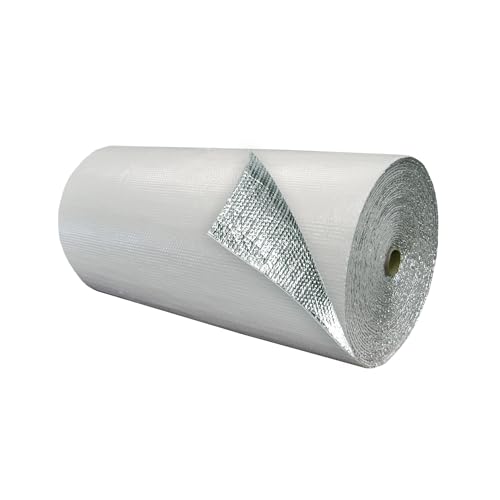
The EcoFoil roll features a 48″ width and 75′ length, delivering about 300 square feet of insulation per roll. It uses a white outer surface with a foil backing and a thickness near 1/4 inch. Reported to reflect up to 96% of radiant heat while maintaining a low emissive profile, this option aims to reduce heating and cooling costs in metal buildings. The product is marketed as non-toxic, fiber-free, and produced in the USA. It’s designed for straightforward installation, with a lightweight build that cuts easily with standard tools.
INSULATION MARKETPLACE Bubble Core Double Reflective Insulation Roll

This 48″ wide roll spans 100 feet, offering a robust radiant barrier to minimize heat transfer in metal buildings, walls, garages, and attics. The product emphasizes radiant energy reflection—up to 95%—and includes vapor barrier benefits to reduce condensation in varying humidity levels. It’s suitable for indoor and outdoor use and is promoted as a cost-saving solution by limiting heat flow in summer and winter, contributing to lower utility costs over time.
UBmove USA Reflective Insulation Bubble Roll

The UBmove bubble roll comes in 48″ width and 125′ length, featuring a 3/16″ bubble layer with a foil outer layer. Marketed for colder climates, it functions as a thermal barrier to reduce heating and cooling loads for spaces like garages, greenhouses, and metal buildings. The product notes USA-made quality and describes utility beyond insulation, including versatility for packaging and climate control, with easy installation via standard tools.
US Energy Products Double Bubble White/Foil Insulation
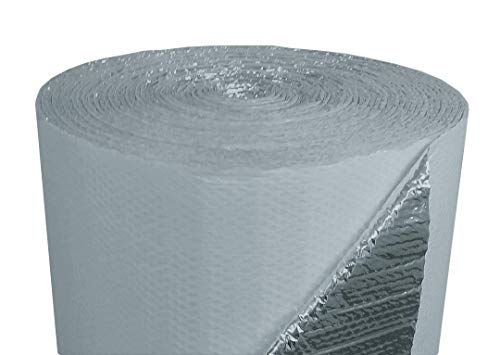
This roll is listed at 48″ wide by 125 feet long, composed of two reflective metalized film layers bonded to multiple polyethylene bubble layers, totaling about 1/4″ thickness. It’s designed for walls, basements, crawl spaces, metal buildings, and radiant floor systems. It emphasizes moisture resistance and condensation control, making it a versatile choice for climates with humidity concerns and where a durable, high-R-value barrier is desired.
INSULATION MARKETPLACE Bubble Core Double Reflective Insulation (Smaller)
This smaller roll from INSULATION MARKETPLACE offers 48″ width by 50 feet length, delivering a compact option with a strong radiant barrier. It mirrors the larger rolls in its dual foil/bubble construction and is suited for smaller projects or tighter spaces within metal buildings. Users should consider the balance between roll length and the required coverage area when planning installation.
Buying Guide
Key considerations when choosing double bubble insulation for metal buildings include R-value expectations, radiant barrier quality, and moisture handling. Reflective foil surfaces reduce radiant heat transfer, but installation quality and seam sealing greatly impact overall performance. In humid or damp environments, look for products with proven vapor barriers and condensation resistance. The thickness, typically around 1/4 inch, matters for durability and mechanical protection during installation.
Assess installation practicality: some rolls are easier to cut and handle, while others provide greater rigidity for long runs. Consider climate: colder regions benefit from higher reflectivity and robust vapor control, whereas warm climates may prioritize moisture resistance and ease of use. For metal buildings, ensure compatibility with existing framing, attic spaces, or wall cavities, and plan for proper ventilation to prevent condensation buildup.
Durability and safety are also important: look for non-toxic, fire-rated options with Class A or similar labeling when available. Made-in-USA options may appeal to buyers prioritizing domestic manufacturing and supply chain reliability. Finally, compare total covered area per roll to plan material needs accurately, avoiding gaps that create thermal bridging or moisture pockets.
In practice, matching the product to the building’s size, climate, and budget will yield the best results. For example, larger 100 ft or 125 ft rolls provide fewer seams in expansive metal buildings, while smaller rolls offer flexibility for limited spaces or patch work. Always follow manufacturer installation guidelines and use appropriate tools to ensure a tight seal around edges and penetrations.