Choosing the right deicer for new concrete requires balancing fast ice melt with concrete safety, pet safety, and minimal surface damage. The products below are formulated to be gentler on fresh concrete while providing effective traction and reducing slip hazards. This guide highlights five top options, including magnesium chloride and calcium chloride blends, designed to protect newly poured surfaces and surrounding landscaping.
| Product | Brand | Key Benefit | Best For |
|---|---|---|---|
| Snow Joe Ice Melting Pellets | Snow Joe | Pet-friendly magnesium chloride with low residue | New concrete, sidewalks |
| Safe Paw Pet-Safe Ice Melt | Safe Paw | Salt- and chloride-free formula | Pet-friendly homes, concrete, driveways |
| Lawn Synergy Arctic Force Ice Melt | Lawn Synergy | Fast-acting, concrete-safe with magnesium chloride | Extremely cold conditions |
| Qik Joe Calcium Chloride Ice Melt | Qik Joe | Calcium chloride for rapid melt | Residential and commercial surfaces |
| Trade Grade Pet-Friendly Ice Melt | Trade Grade | Magnesium chloride blend, quick activation | Driveways, steps, decks |
Snow Joe Ice Melting Pellets
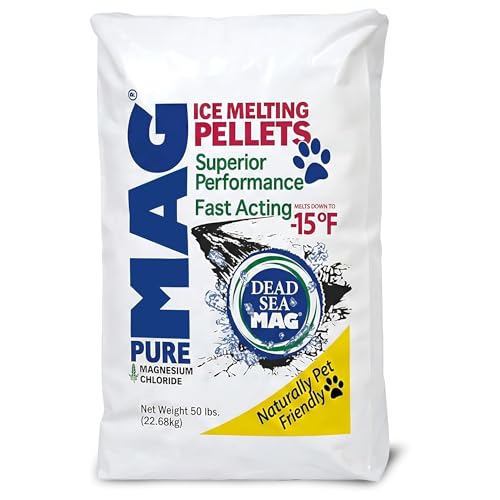
The Snow Joe Ice Melting Pellets rely on a magnesium chloride formula that works rapidly to melt ice down to -15°F, making them suitable for protecting newly poured concrete surfaces, entryways, and sidewalks during severe winter conditions. The product is designed to be pet-friendly and environmentally conscious, reducing the risk of harsh chemical exposure while delivering effective snow and ice control. Users will appreciate the low-residue finish, which helps keep concrete and adjacent surfaces cleaner and less prone to white slush. Compared with traditional rock salt, this option is gentler on concrete, metal, and vehicles when used as directed on new installations.
Key considerations for use on fresh concrete include applying the product with light coverage to avoid oversaturation and ensuring the surface is free of standing water before application. While the formula minimizes residue, it is still wise to rinse panels or walkways after deicing to maintain a pristine finish on new concrete. Overall, this option balances fast performance with a pet-conscious profile and a cleaner aftermath on concrete work.
Safe Paw Pet-Safe Ice Melt

Safe Paw offers a salt- and chloride-free formula designed to melt ice while prioritizing pet and plant safety. The product works at temperatures as low as -15°F and includes a traction-enhancing component, improving grip on icy surfaces to help prevent slips for family members and pets. Since it avoids chlorides that can corrode concrete, it is well-suited for new concrete installations where minimizing surface damage is crucial during initial winter exposure. This option emphasizes environmental friendliness and pet safety, making it a popular choice for households with dogs, cats, or landscaped areas near fresh concrete.
For new concrete projects, apply according to package directions, focusing on dry, clean surfaces. Because this formula is chloride-free, it reduces the risk of corrosion on nearby metal fixtures and rebar that may be embedded during early curing stages. While highly effective, users should monitor weather forecasts to apply before a major freeze and reapply as needed to maintain traction without over-application. Safe Paw shines as a pet-focused choice that still delivers solid ice melt performance on fresh concrete.
Lawn Synergy Arctic Force Ice Melt

Lawn Synergy’s Arctic Force Ice Melt is engineered for extreme cold and rapid action, using a magnesium chloride base that is gentler on concrete than classic rock salt. The product is designed to begin melting ice on contact, offering quick relief from slick surfaces on new concrete driveways and walkways. Its corrosion-minimizing properties help protect concrete, metal fixtures, and landscaping, aligning with best practices for newly poured slabs that require careful material choices during winter weather exposure.
When applying on fresh concrete, spread evenly to create a thin, uniform layer. By reducing the risk of deep-set ice bonds, this melt helps prevent surface spalling and long-term damage that can occur with harsher deicers. Its concrete-safe profile makes Arctic Force a solid option for homeowners who need dependable performance without compromising the integrity of new installations during freezing temperatures.
Qik Joe Calcium Chloride Ice Melt

Qik Joe’s calcium chloride-based ice melt delivers fast melting action even in very cold conditions, down to -25°F. This option is particularly effective on concrete, driveways, steps, and parking lots, where rapid ice removal is essential for safety and accessibility. Calcium chloride melts ice quickly and tends to be effective at lower temperatures than standard rock salt blends, making it a reliable choice for new concrete projects exposed to severe winter weather.
On fresh concrete, apply sparingly to avoid oversaturation. The product’s versatility supports use on multiple surfaces, including concrete and asphalt, which is advantageous for larger properties with varied terrain. While potent, it is important to consider concrete curing times and any nearby landscaping to prevent potential chemical interaction with sensitive materials during early stages of setting.
Trade Grade Pet-Friendly Ice Melt

Trade Grade’s Pet-Friendly Ice Melt uses a magnesium chloride blend designed for fast activation while being easier on paws, vegetation, concrete, and outdoor surfaces than traditional rock salt or calcium blends. The small, uniform pellets activate quickly on contact to break down ice and frost, making this product a practical option for walkways, driveways, steps, and entryways around new concrete installations. Its no-scoop, no-mess design supports controlled application, delivering precise coverage where it’s most needed.
When applied to fresh concrete, a light, even spread helps avoid deep saturation that could penetrate the surface during curing. The product’s pet- and plant-conscious profile aligns well with new construction sites where landscaping and animal access may be present. For homeowners seeking a straightforward, reliable melt without harsh residues, Trade Grade presents a balanced choice that preserves the integrity of new concrete while maintaining safety during winter months.
Buying Guide: Key Considerations For Deicers On New Concrete
- Material compatibility with fresh concrete: Prioritize formulas labeled as concrete-safe or designed to minimize surface damage during curing.
- Temperature performance: Choose products effective at the typical winter lows in your area, especially when temperatures regularly dip below 0°F.
- Pet and plant safety: If pets or landscaping surround new concrete, consider chloride-free or magnesium chloride blends to reduce exposure and environmental impact.
- Surface cleanliness and residue: Low-residue or non-tracking formulas help keep new concrete and indoor floors cleaner after application.
- Application method and coverage: Favor products with easy-to-apply formats (pellets, granules, or pre-mixed liquids) that avoid oversaturation on delicate slabs.
- Industry recommendations: Look for products that indicate compatibility with concrete, metals, and nearby coatings to prevent corrosion or staining.
- Frequency of use: Some blends melt ice quickly but may require reapplication; plan based on your typical weather patterns and maintenance schedule.
- Environmental considerations: Consider products with reduced environmental impact and safer runoff profiles, especially near lawns and shrubs.
In practice, selecting a deicer for new concrete involves balancing melt speed, surface protection, and safety for occupants and the surrounding landscape. The five products highlighted above provide a range of options from magnesium chloride blends to calcium chloride formulas, each with distinct advantages for new concrete installations in American winter conditions.