Tiny houses demand compact, reliable sanitation that doesn’t rely on plumbing. This guide highlights five top composting toilets well-suited for tiny homes, vans, RVs, and off-grid cabins. Each option emphasizes odor control, easy maintenance, and space efficiency, helping you choose a model that matches your daily routine and off-grid lifestyle.
Summary of selected products:
- OGO™ Compost Toilet — Odorless separation, urine-diverting, 550 lb capacity
- Separett Tiny — Compact, waterless, built-in urine container, no additives
- Nature’s Head Self-Contained — Close-quarters spider handle, no-odor potential
- Cuddy Composting Toilet — Odorless, waterless, 3.9 gal capacity, 12V fan
- TROBOLO WandaGO Composting Toilet — Portable, adjustable, odorless with SafeShell system
OGO Compost Toilet: Odorless, Urine-Diverting, No Dump Stations
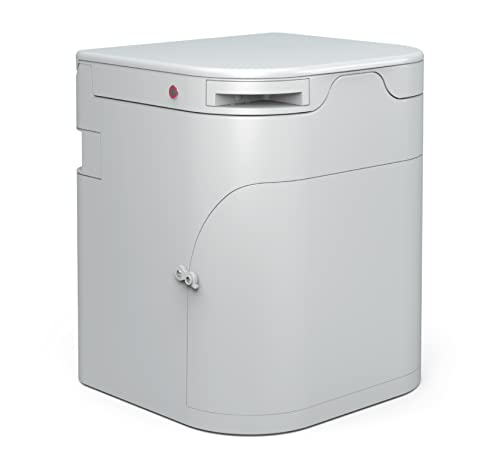
Features highlight a urine-separating design that minimizes odors by avoiding chemical additives and excessive water use. This model is built in Ohio, USA, with a robust design that holds up to 550 pounds. A removable solids bin and dedicated urine bottle simplify cleanup, while the waste capacity supports 25-30 uses for solids and 2.4 gallons for liquids. Its odor-control approach contributes to a comfortable tiny-house bathroom experience, particularly in small, enclosed spaces.
Cuddy Lite Portable Compost Toilet: Travel-Ready, Liquid-Diverting
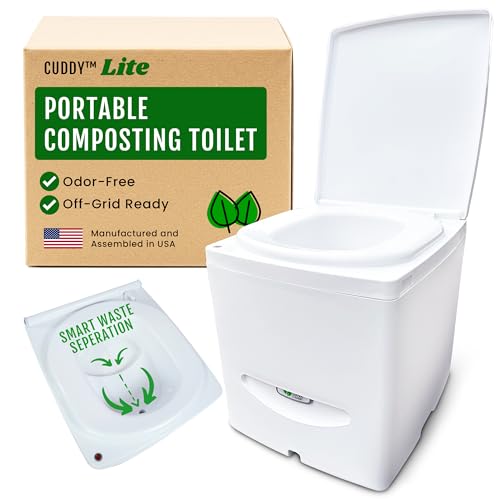
Designed for compact spaces in campervans, RVs, boats, and tiny homes, Cuddy Lite offers a portable solution with a compact footprint and flexible installation options. It features a liquid-diverting system with an XL drop-zone cover to separate liquids from solids for hygiene. Easy maintenance includes a removable solids bin that can be lined with a bag for straightforward disposal, reducing handling in tight spaces.
Separett Tiny Self-Contained Toilet: Urine-Separating, Waterless

This compact unit is ideal for tiny homes, vans, cabins, and boats, operating without water or plumbing. It emphasizes odor-free operation with a built-in ventilation fan that removes moisture and smells. Waste management is straightforward with a removable 2-gallon urine container and separate biodegradable bags for solids, enabling simple disposal and maintenance in small spaces.
Nature’s Head Self-Contained Toilet With Close Quarters Spider Handle
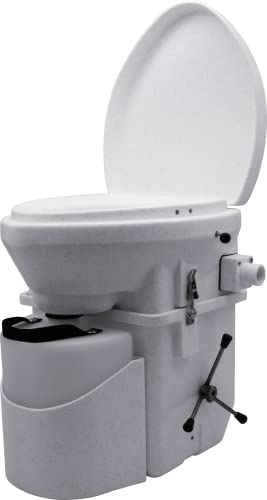
Nature’s Head models are built for tight spaces with a focus on straightforward installation and maintenance. Known for strong customer support and a reputation for reliability, these toilets emphasize odor control and long-term durability in small living setups. The spider handle design and self-contained unit offer a compact footprint suitable for bunkrooms, vans, and cabins, with warranties supported by the brand.
Nature’s Head Self-Contained Toilet With Foot-Spider Handle

This variant from Nature’s Head emphasizes a familiar platform and branding while maintaining the self-contained, compact footprint essential for tiny houses. The unit is positioned as easy to install for homeowners with basic remodeling skills and provides a balance between simplicity and effectiveness in odor management and maintenance, suitable for zero-plumb environments.
Cuddy Lite: Compact, Odorless, Waterless Solution (Second Listing)
Another listing of Cuddy Lite emphasizes travel-ready design and practical installation in mobile living spaces. Its odor-control approach and liquid-diverter system aim to minimize interactions in small bathrooms, while the overall footprint is designed to fit flush against walls or be freestanding in compact layouts. The emphasis remains on user-friendly maintenance in off-grid or mobile setups.
TROBOLO WandaGO Composting Toilet: Portable, Adjustable, Odorless

WandaGO combines portability with adjustable seating to suit different users and spaces. It operates without water or electricity and uses a urine-diverting design to maintain odor control. Its lightweight construction supports mobile living in tiny homes, vans, or outdoor setups, with a focus on spill-proof operation and easy transport between locations.
Buying Guide: Key Considerations For Tiny Houses
- Urine separation vs. non-separating designs: Urine-diverting models generally reduce odors and simplify liquid disposal, which is especially important in confined spaces.
- Ventilation and odor control: Built-in fans or carbon filters help maintain a fresh bathroom, critical when plumbing is limited or absent.
- Maintenance and waste handling: Look for removable waste bins, bags, or containers that make emptying straightforward and sanitary in small footprints.
- Power and water requirements: Decide between waterless systems or those needing minimal water or external power; smaller homes often benefit from battery or 12V solutions.
- Install footprint and compatibility: Check dimensions, mounting options (flush-fit vs. freestanding), and whether a unit suits your vehicle or cabin’s layout.
- Materials and durability: Opt for corrosion-resistant components and sturdy housings since tiny houses face uneven roads and varying climates.
- Service and warranties: Consider brands with readily available parts and strong customer support to minimize downtime in off-grid scenarios.
- Waste disposal logistics: Ensure you can legally and practically dispose of solids and liquids in your location, and whether you have dump-station access.
Choosing the right composting toilet for a tiny house involves balancing space, ease of maintenance, and odor management. The options above represent a mix of urine-diverting, self-contained, and portable designs, each offering distinct trade-offs in installation, operation, and upkeep. When evaluating models, prioritize how well the unit integrates with your daily routine, your off-grid capabilities, and your tolerance for maintenance tasks in a compact bathroom environment.