Selecting the right check valve is essential for protecting pumps, irrigation systems, and water supplies from backflow and water hammer. The following five options represent a range of materials, connection types, and installations suitable for domestic and small commercial setups. Each product highlights key features like backflow prevention, durability, and fit for common pump configurations. This guide helps you compare performance, installation, and longevity to choose the best valve for your water pump system.
| Product | Brand | Inlet/Outlet | Best For |
|---|---|---|---|
| Wassermann 1-1/4″ Brass Check Valve | wassermann | 1.25″ NPT Inlet x 1.25″ FNPT Outlet | Well pumps, irrigation, water supply |
| Hydro Master Plastic Sump Pump Check Valve | HYDRO MASTER | 2″ x 2″ Slip-On | Sump pumps, corrosion resistance |
| Foot Valve 1″ Brass Check Valve | PNXKTXO | 1″ DN25 Inlet | Well pumps, debris filtration |
| Litoexpe 3/8″ Inline Check Valve | Litoexpe | 3/8″ Inline | Compact fluid systems |
| Ceoighe Quiet Sump Pump Check Valve | Ceoighe | 2″ PVC | Quiet operation, transparent body |
When choosing a check valve, consider material, compatibility with your piping, flow direction, noise when active, and whether the valve’s body is transparent for visual inspection. The list below summarizes the five top picks, then each product section covers installation tips and standout features.
Wassermann Brass Check Valve
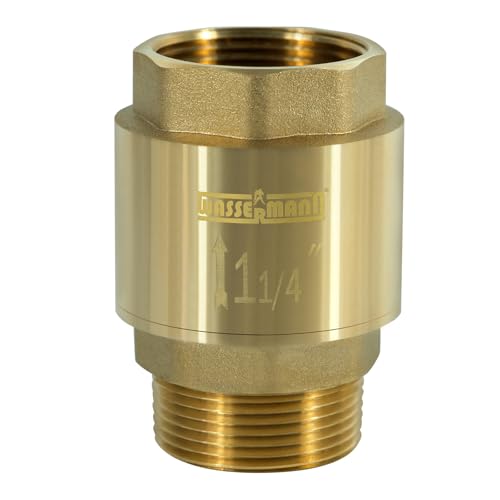
The Wassermann 1-1/4″ brass check valve provides reliable backflow prevention for wells, irrigation, and water supply lines. It operates automatically when flow is in the correct direction and slams shut if flow reverses, using gravity, spring force, or fluid pressure. This action helps prevent water hammer and protects pumps and downstream equipment. With a 1-1/4″ NPT inlet and 1.25″ FNPT outlet, it is designed for common submersible well pumps and compatible piping. The brass body offers durability in varied water conditions and temperatures, making it a solid choice for outdoor and inlined installations.
Key considerations: brass construction resists corrosion, suitable for potable water and irrigation systems, and straightforward in-line installation. For best results, ensure clean line connections and verify thread standards match your pump and piping. If you’re replacing an old valve, confirm your existing size and thread direction to avoid leaks.
Hydro Master Sump Pump Check Valve
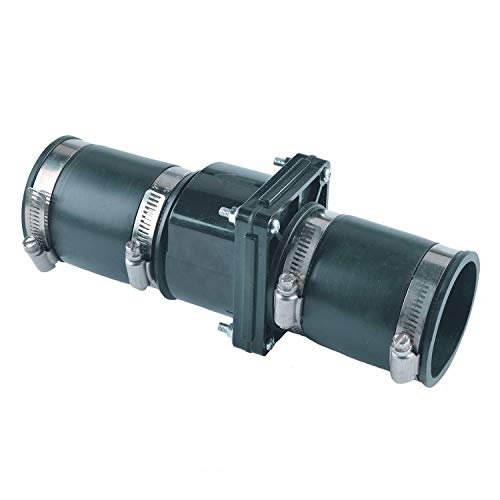
Hydro Master’s 2″ x 2″ slip-on check valve is designed for sump pump applications, featuring a robust ABS body and EPDM rubber seals on both ends for extended life. Stainless steel 301 clamps and fasteners provide corrosion and rust resistance, making this valve suitable for basement sumps and drainage systems where moisture and debris are present. The slip-on design enables quick installation on standard 2″ pipes, reducing downtime during maintenance or upgrades. This valve emphasizes durability in wet environments where backflow prevention is critical to protect pumps and prevent flooding.
Considerations: check valve compatibility with your sump outlet, ensure clamp hardware remains tight, and inspect the EPDM seals for wear over time. For noisy installations, confirm mounting supports and ensure the valve remains aligned with the flow direction to minimize vibrations.
Foot Valve 1″ Brass Check Valve

This 1″ brass check valve from PNXKTXO is designed for well pumps and includes a stainless steel filter screen to trap debris before entering the pump. The device uses a vertical spring mechanism and is rated for up to 1.6 MPa, suitable for water, oil, and gas lines. The integrated filter reduces suction resistance and can contribute to energy savings by maintaining steady flow and reducing pump stress. Its compact design makes it a good fit for tight installations near the pump head or in vertical piping runs.
Practical tips: install with the screen facing upstream to catch debris before it reaches the pump, and periodically inspect the filter for buildup. Verify compatibility with your piping diameter and confirm the valve remains oriented to support one-way flow.
Litoexpe Inline Check Valve Set

The Litoexpe 3/8″ inline check valve is built from PVDF plastic with a silicone rubber diaphragm, offering strong corrosion resistance and safe, non-toxic materials. The valve features a pagoda-shaped groove design to improve airtightness and adsorption, aiming to minimize backflow in fluid systems. Suitable for low-to-medium pressure lines in fuel, water, and light industrial applications, this compact unit is ideal for tight spaces and small-scale installations where a traditional metal valve may be too bulky.
Considerations: PVDF is chemical-resistant but may have temperature limits; verify operating range (mentioned as 25°C to 135°C) matches your system. The small size is great for inline use in equipment or automation projects, but ensure the valve’s flow rate meets your pump’s needs.
Ceoighe Quiet Sump Pump Check Valve

The Ceoighe quiet sump pump check valve uses spring-loaded baffle technology to reduce water hammer noise. Its transparent PVC valve body allows visual inspection of flow and potential clogs, which is helpful for homes with intermittent pump operation or visible piping runs. The design prevents backflow by ensuring one-way water movement, aiding in smooth, continuous drainage. Suitable for standard 2″ PVC piping and compatible with many residential sump installations, the device emphasizes quiet operation without sacrificing reliability.
Key points: visual flow monitoring, noise reduction, and dependable backflow prevention. When installing, ensure the valve is oriented for the pump’s discharge and verify that the transparent body remains clean for accurate observation.
Buying Guide: Key Purchase Considerations
Material and compatibility: Brass valves excel in durability and potable-water compatibility but can be more expensive and heavier. Plastic (ABS, PVC, or PVDF) valves are lighter, corrosion-resistant, and often more cost-effective, but check the chemical compatibility with the pumped fluid and temperature range. Thread sizes and inlet/outlet configurations should match your existing piping to prevent leaks and reduce modification time.
Flow direction and backflow prevention: Ensure the valve provides reliable one-way flow control under your typical pump pressures. Some models include spring-loaded diaphragms or baffles to minimize noise and water hammer, which is especially important in home basements or close-quarters installations.
Installation and maintenance: Consider whether your setup benefits from slip-on (no threading) or threaded connections. Inline valves are usually easier to install and replace. Look for units with easy inspection, such as transparent bodies or accessible seals, to simplify maintenance and prevent downtime during service intervals.
Environmental and operational conditions: For outdoor or moisture-prone environments, corrosion resistance and weather sealing reduce failure risk. In sump or flood-prone areas, durable seals and reinforced clamps contribute to longer service life. For smaller systems or hobbyist use (aquariums or light irrigation), compact inline valves offer adequate protection without bulky fittings.
Economics and warranties: Compare initial cost, material longevity, and manufacturer warranties. In residential settings, a balance of price and reliability often yields the best long-term value. When replacing an old valve, verify compatibility with your pump’s discharge pressure and the rest of the piping network to ensure a proper seal and minimal friction loss.