Choosing the right tile for a basement floor involves balancing moisture resistance, durability, and ease of installation. This guide highlights five top-rated options that perform well in basements, including ceramic, porcelain, and peel-and-stick vinyl tiles. Each product section includes key features to help you compare at a glance.
Introduction to selected products:
| Product | Type | Best For |
|---|---|---|
| Art3d Peel and Stick Floor Tile, Slate | Vinyl Peel & Stick | Affordable, quick remodels |
| Tenedos 6×6 Red Quarry Tile | Ceramic/Quarry Tile | High-traffic, utility areas |
| Art3d 36-Pack Peel and Stick Floor Tiles, Rosewood | Vinyl Plank Peel & Stick | Wood-look floors on a budget |
| FloorPops Sevilla Peel & Stick Tiles | Vinyl Peel & Stick | Colorful, quick installs |
| Parrotile Yellowstone Matte Pebbles Mosaic | Ceramic Pebble Mosaic | Non-slip shower/bath-style basements |
Art3d Peel and Stick Slate Tile – 30 Pack

Art3d’s Peel and Stick Slate tiles offer a budget-friendly solution for basement floors. The self-adhesive design enables rapid DIY installation without special tools or messy glue. Slate-like visuals provide a modern look that suits basements with transitional decor. The tiles are made from PVC vinyl, delivering durability, water resistance, and stain resistance—important traits for damp basement environments and high-traffic areas.
Key features include:
- Self-adhesive installation for quick projects
- Wide range of colors and patterns to match decor
- Durable, waterproof PVC vinyl suitable for basements
Tenedos 6×6 Red Quarry Tile

This red quarry tile is a robust ceramic floor option designed for high-traffic environments. The 6×6 size and dense, unglazed finish offer durability and a classic look that works well in basements used for laundry rooms, storage, or utility spaces. The textured surface helps with traction, even in damp conditions, aligning with safety considerations in basements that may experience moisture or spills.
Highlights:
- Heavy-duty, commercial-grade durability
- Slip-resistant surface for safety
- Classic red quarry appearance that hides wear
Art3d Peel and Stick Wood Look Tiles, Rosewood

These Art3d vinyl tiles deliver a wood-look appearance without the maintenance of real wood. The 36-pack covers a sizable area and provides an authentic grain texture for a cozy basement living space or recreational area. They’re designed for straightforward installation with a rigid surface, offering 100% waterproof and wear-resistant performance. The tiles are also fire resistant and stable, reducing concerns about humidity and temperature variations common in basements.
Core advantages:
- Wood-look aesthetics for a warm basement vibe
- Easy DIY peel-and-stick installation
- 100% waterproof, wear and scratch resistant
FloorPops Sevilla Peel & Stick Tiles
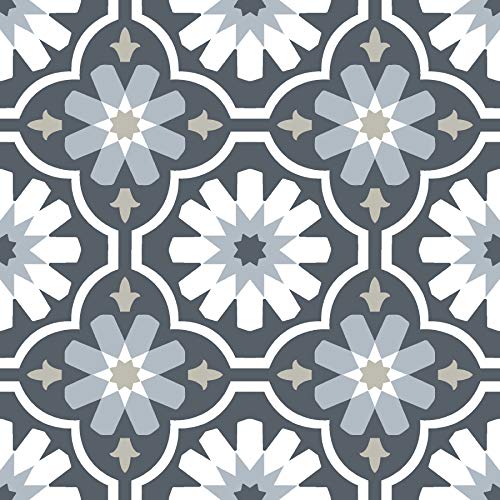
FloorPops Sevilla tiles are a flexible, budget-friendly option for basement floors. Their peel-and-stick design simplifies installation, and the tiles are designed to be water resistant and washable, making maintenance straightforward in damp basement conditions. The multi-color design can add visual interest to utility rooms, laundry zones, or finished basement areas where moisture might be a concern.
Notable aspects:
- Peel-and-stick installation—no grout or tools required
- Water resistant and washable for easy upkeep
- Variety of colors to coordinate with space
Parrotile Yellowstone Pebbles Mosaic

Parrotile’s pebble mosaic combines ceramic pebbles into a non-slip surface that’s well suited for wet areas within basements, such as laundry rooms, mudrooms, or showers integrated into a basement bathroom. The set typically includes multiple sheets to cover a practical area, with a matte finish to reduce glare and add a natural texture. The porcelain-like properties yield low water absorption, contributing to durability in moisture-prone environments.
Key properties:
- Anti-slip matte finish for safety
- Ceramic pebble mosaic offers a tactile surface
- Low water absorption for damp spaces
Buying Guide: Key Considerations For Basement Tile Purchases
Basements present unique challenges for flooring, including higher moisture levels, potential flooding risk, and variable humidity. The following considerations help buyers compare options across ceramic, porcelain, and vinyl tile formats.
- Moisture resistance: Prioritize tiles labeled as waterproof or with high water resistance. Vinyl peel-and-stick options handle moisture well, while porcelain and ceramic tiles require proper underlayment, sealing, or grout with sealer to prevent moisture ingress.
- Durability and wear: For high-traffic basements or utility rooms, choose tiles with strong wear resistance and load-bearing capability. Quarry tiles and dense porcelain provide long-term resilience.
- Slip resistance: Wet basements benefit from textured or matte finishes. Look for tiles specifically described as slip-resistant or with non-slip textures.
- Installation method: Peel-and-stick tiles offer quick DIY installation with minimal tools. Traditional ceramic or porcelain tiles require mortar, grout, and more preparation but can deliver a more permanent installation.
- Maintenance: Consider ease of cleaning and stain resistance. Vinyl options generally clean easily, while cementitious and ceramic tiles may require periodic sealing and grout maintenance.
- Aesthetics: Decide between wood-look planks, stone-like slate, or bold color patterns. Wood-look tiles provide warmth; slate and pebble mosaics offer rugged texture suitable for basements with casual living areas.
- Underlayment and subfloor: Basements often have concrete slabs. Some products require underlayment for comfort and moisture barriers. Verify compatibility with the chosen tile type.
- Installation time and budget: Peel-and-stick options save time and reduce labor costs, ideal for quick basement refreshes. Traditional tile requires more time and skill but can yield a premium result.
- Repair and replacement: Interlocking vinyl options can be easier to replace individual tiles if damage occurs, whereas ceramic or porcelain tiles may require more extensive repair.
- Environmental and safety considerations: Look for products with low VOCs and certifications (like GREENGUARD) when selecting tiles for living spaces connected to basements or apartments.
In sum, the best basement flooring choice balances moisture resistance, durability, and installation convenience. Vinyl peel-and-stick tiles are ideal for fast, water-tolerant updates, while ceramic and porcelain options like quarry and pebble mosaic tiles provide long-term durability and distinctive aesthetics. The right mix depends on your basement’s specific use, moisture profile, and maintenance plan.