Choosing the right caulk or caulk tape for a plastic tub surround is essential to prevent moisture intrusion and mold growth. This guide highlights top options that are easy to install, durable, and compatible with plastic surfaces. Each product below is designed to form a tight seal around tubs, showers, and adjoining walls, helping to protect framing and finishes. Read on to compare features, installation tips, and scenarios where each option excels.
| Product | Brand | Notes |
|---|---|---|
| Magic Tub and Wall Peel and Caulk Strip | MAGIC | Pre-applied adhesive; flexible seal between tub and wall |
| DAP Tub and Tile Caulk | DAP | High-quality caulk for tubs and tiles |
| GE Silicone Caulk for Tub & Tile | GE | 100% waterproof silicone sealant; flexible |
| White Caulk Tape for Bath & Kitchen | TOUSEA | Self-adhesive caulk tape with white finish |
| Fixmend Caulk Tape Sets | Fixmend | Self-adhesive sealing strips; multiple rolls |
Magic Tub And Wall Peel And Caulk Strip

The Magic Peel and Stick Caulk Strip is designed to create a tight, water-resistant seal along the junction of the tub and wall. It is a ready-to-apply option with pre-applied adhesive, meaning no tools are required for installation. The flexible trim adheres to most angles and surfaces, allowing it to conform to curved or irregular edges common in bathroom fixtures. Its primary benefit is an easy, mess-free alternative to traditional caulk. The white finish blends well with most tub surrounds, and the molded-in score line helps ensure uniform placement for a neat result. This product is especially useful when existing caulk needs a finishing touch without a full re-caulk gig.
Key features include water-protective properties, flexibility to fit corners and angles, and a quick install that reduces the typical curing time associated with standard caulks. The adhesive is designed to resist peeling, and the product can be used over existing caulk for an additional seal. For tubs and showers of various sizes, this solution offers a simple, sanitation-friendly upgrade that minimizes cleanup. It’s an attractive option for renters or homeowners seeking a low-effort maintenance upgrade.
Dap Tub And Tile Caulk
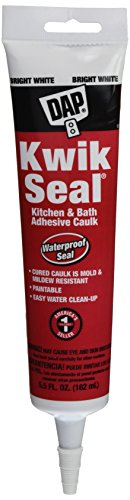
DAP’s Tub and Tile Caulk is a high-quality option manufactured for wet-area applications. While the packaging highlights general tub and tile use, the product is well-suited for plastic tub surrounds that require a durable, flexible seal. The compact packaging helps with storage, and the product’s formulation emphasizes long-lasting adhesion with water resistance. For homeowners tackling corners and seam joints around a bathtub, this caulk provides a reliable option with straightforward application. The product’s weight and dimensions indicate a compact unit suitable for numerous small projects around the bathroom as needed.
GE Silicone Caulk For Tub & Tile

GE Silicone Caulk for Tub & Tile is a clear silicone sealant designed to deliver 100% waterproof performance. It is particularly suitable for plastic tub surrounds where a transparent, unobtrusive seal is preferred. The product’s standout feature is its flexibility across temperature fluctuations, reducing the risk of shrinkage or cracking over time. It’s a good choice when you want a seal that remains durable through the humidity and heat of a bathroom environment. The clear cartridge makes it an excellent match for most bathroom fixtures while maintaining a clean aesthetic and minimizing visual impact on the tub surround seam.
White Caulk Tape For Bath And Kitchen

This white caulk tape provides a self-adhesive sealing solution designed for bathrooms and kitchens. Its crease-in-the-middle design enables easy folding to create a 90-degree seal along tub edges, corners, and joints. The product is versatile enough to cover existing caulk or gaps, reducing the need for messy caulking work. It’s made from PVC material and features a dual-sided adhesive that sticks to plastic surfaces, tile, metal, glass, and more. The tape’s durability and long-lasting adhesion help maintain a tidy bath or shower enclosure, minimizing water intrusion between the tub and wall.
Fixmend White Caulk Tape Self Adhesive

The Fixmend self-adhesive caulk tape offers a white sealing strip designed for bathrooms and kitchens. The material is PVC-based, offering waterproof performance and a strong, long-lasting seal. The tape is heat-activated through a hair dryer to boost adhesion, making it particularly useful for areas exposed to moisture and temperature changes. The product is marketed for tub edges, wall seams, and around fixtures, with a simple installation process that reduces the risk of uneven gaps. Its flexibility helps it adapt to corners and irregularities common around plastic tub surrounds.
Caulk Tape Waterproof Self Adhesive

Another Fixmend option, this three-roll set provides multiple lengths of self-adhesive caulk tape designed for kitchen and bathroom use. Its 1.5-inch width is a practical choice for tub surrounds where a wide seal is beneficial. The set enables homeowners to cover several joints efficiently, reducing the need for frequent replacements. The tape’s acrylic adhesive is marketed as robust, and the included rolls allow for simultaneous projects in the same bathroom or across different rooms. It’s a suitable pick for those seeking a quick, weekend-friendly upgrade to shower and tub edges.
Loctite Polyseamseal Tub & Tile Adhesive Caulk
Loctite’s Polyseamseal Tub & Tile Adhesive is designed for sealing around tubs, sinks, and tile surfaces. While not a tape, its silicone-based formula provides strong waterproof performance and durable adhesion on typical bathroom substrates, including plastic tub surrounds. The product is aimed at a longer-lasting seal that can accommodate movement and temperature changes without cracking. It is a solid option when a traditional caulk seam is preferred or required by the project specifications, offering a balance of ease of use and resilience in moisture-rich environments.
Buying Guide: Key Purchase Considerations
- Material compatibility: Plastic tub surrounds benefit from flexible, adhesive-ready tapes or silicone caulks that adhere well to PVC and ABS plastics without excessive staining or shrinkage.
- Sealant type: Tape-based solutions offer quick installs and cleanup-free results, while silicone caulk provides durable, long-lasting seals for joints and corners that experience continuous moisture exposure.
- Finish and appearance: Clear silicone or white caulk tapes blend with most surrounds; choose a finish that matches or subtly contrasts with the tub and wall to maintain aesthetics.
- Application area: Consider whether you’re sealing a straight seam, a corner, or irregular angles. Tape with a crease and pre-applied adhesive helps in tight spaces, while caulk may be better for flexible, multi-angled joints.
- Durability and maintenance: Look for moisture resistance, mold resistance, and the ability to withstand temperature fluctuations typical of bathrooms.
- Ease of removal and replacement: Tape options are generally easier to remove and reapply compared with traditional caulk, making them appealing for renters or those who anticipate future rework.
- Environment and safety: Ensure the product is low-VOC if you’re sensitive to odors or indoor air quality concerns; test a small area if you’re unsure about surface compatibility.
- Installation tools: Some products require a hair dryer to activate adhesive; others are ready to press into place. Have basic cleanup supplies handy for any residual residues.
- Cost and coverage: Compare roll lengths, widths, and cartridge sizes to estimate total project cost and workload. Tape options often provide broad coverage per roll, while caulk cartridges cover specific lengths per tube.
In choosing among these options, assess your bathroom’s layout, the area to be sealed, and your tolerance for maintenance. For quick upgrades on a plastic tub surround, peel-and-stick caulk strips and self-adhesive tapes offer fast, mess-free installation. For long-term performance and higher moisture exposure, silicone caulks provide robust sealing with durable flexibility. A combination approach—using tape for large, easy seams and silicone where movement is expected—can yield a balanced solution that resists water penetration while keeping surfaces clean and visually appealing.