Blow-in attic insulation is a proactive way to cut energy bills and improve home comfort in all seasons. Whether sealing attic stairs, upgrading loose-fill insulation, or reflecting heat away from living spaces, the right products can make a noticeable difference. This article highlights five top options that align with attic blow-in and sealing needs, covering installation readiness, efficiency, and overall performance for American homes.
| Product | Brand | Key Benefit | Amazon Link |
|---|---|---|---|
| Attic Stairway Insulation Cover | DGSL | Year-round seal for attic doors; helps prevent dust and pollutants | https://www.amazon.com/dp/B07WZYVGKY?tag=hoimendiy-20 |
| BEEST FullStop Spray Foam Kit | BEEST | High-coverage, high R-value for walls and attic spaces | https://www.amazon.com/dp/B0DJFR3K3N?tag=hoimendiy-20 |
| Attic Insulation R-Value Ruler | Generic | Simple measurement tool to verify R-value in attic spaces | https://www.amazon.com/dp/B0DVH4DTRH?tag=hoimendiy-20 |
| Frost King No Itch Insulation | Frost King | Versatile natural insulation for various uses and simple cuts | https://www.amazon.com/dp/B004Y6SX1Y?tag=hoimendiy-20 |
| Owens Corning Atticat Blown Insulation | Owens | Loose-fill insulation designed for attics and walls | https://www.amazon.com/dp/B0030G6PAA?tag=hoimendiy-20 |
Across these options, homeowners can choose safeguards for attic access points, upgrade insulation coverage, and ensure proper material compatibility with their existing systems. The selections emphasize practical installation, energy performance, and safe handling for typical American homes.
Attic Stairway Insulation Cover – Premium Energy Saving

The DGSL Attic Stairway Insulation Cover is designed to seal attic openings year-round. This cover fits openings up to 25″ x 54″ x 11″ and uses premium foil bubble insulation to reduce heat transfer and improve overall home comfort. Its dual-layer aluminum construction reflects radiant heat, contributing to an R-value around 14.5. The product aims to prevent dust, pollutants, and moisture from entering living spaces through attic stairs, which can be a common source of energy loss in many homes. The zipper-enabled tent design allows for easy access while maintaining a tight seal when closed.
Key features include a year-round insulation performance, moisture resistance, and a focus on protecting interior air quality. Installation is typically straightforward, requiring the cover to adhere or be secured over the attic hatch. The unit’s aluminum plus bubble layer helps block radiant heat and improves energy efficiency, particularly in climates with hot summers and cold winters. While it is not an insulation material for the entire attic cavity, it addresses a critical leakage point that can undermine other insulation efforts.
In terms of practicality for attic maintenance, the cover provides a long-term solution that minimizes draft-driven heat loss without major remodeling. Users should confirm opening dimensions before purchase and ensure a proper fit to maximize effectiveness. The material’s moisture resistance and UV-stable components contribute to durability in various home environments.
BEEST FullStop Spray Foam Kit For Walls And Attic

The BEEST FullStop Spray Foam Insulation Kit provides a complete solution for insulating walls, ceilings, and attic spaces where traditional insulation reaches limitations. The kit offers an R-Value around 8.14 with a 2-inch application, suitable for sealing gaps and cracks that contribute to energy loss. It includes 12 spray cans, a professional-grade spray gun, cleaner, gloves, goggles, and a coverall for safe, efficient application. The product is designed to perform well at an optimal application temperature of 68–77°F, expanding to seal irregular surfaces and hard-to-reach areas.
This kit targets both thermal insulation and acoustic performance, helping to reduce noise transmission and improve indoor comfort. It is well-suited for attics, walls, and other spaces where traditional batt insulation is insufficient. The one-component foam expands consistently to fill gaps, providing a durable air seal that resists future settling. As with any chemical-based insulation, proper safety protocols are essential, including ventilation during application and protective gear for installers.
For homeowners planning a DIY upgrade, the BEEST FullStop kit offers a contained, all-in-one package that can streamline installation. It’s important to follow product guidelines for layering thickness and curing times to maximize energy efficiency. While it is more costly upfront than bulk materials, the potential energy savings can be meaningful over time in climate zones with extreme temperatures.
Attic Insulation R-Value Ruler

The Attic Insulation R-Value Ruler provides a straightforward method to verify insulation performance. This simple card stock tool is ideal for quick checks in attic spaces, particularly for confirming whether cellulose or fiberglass insulation meets target R-value requirements. Made in the USA, the ruler is sturdy for repeated use and can assist homeowners and professionals in planning upgrades. While not an insulation material itself, it supports data-driven decisions about where to add or improve insulation coverage.
Using such a ruler can help identify poorly insulated zones, especially in attics with uneven storage or compacted insulation. It is compatible with various insulation types, making it a versatile addition to a toolkit. For best results, pair measurement with a thermal camera or infrared scanning to pinpoint temperature differentials and guide upgrade projects more precisely.
Frost King No Itch Natural Cotton Insulation
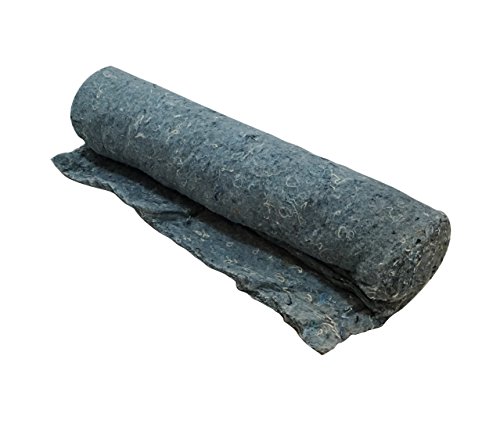
Frost King No Itch is a natural cotton-based insulation that offers versatility for various applications, including intermittent use for insulating, cushioning, and noise dampening. The product’s No Itch formulation reduces handling discomfort, allowing easier cuts and fittings in tight attic spaces. It can be shaped to fit pipes, ducts, walls, and other irregular areas, making it a practical supplement to traditional insulation systems. The cotton composition provides a soft, fiber-based material that can help reduce air leakage when layered properly.
Considerations include its suitability for areas with moderate temperature fluctuations and the need to ensure adequate moisture management. While cotton insulation can be a good option for certain retrofit projects, it may not achieve the same high R-values as dense spray foams or blown-in materials in all configurations. Proper installation and weather exposure considerations should guide its use in attic projects.
Owens Corning Atticat Blown Insulation

The Owens Corning Atticat Blown Insulation is designed for attic and wall installations using a loose-fill approach. It pairs with the Atticat machine to deliver consistent coverage and reliable R-values in cavity spaces. This type of insulation is particularly effective for filling irregular gaps and ensuring uniform thermal resistance across attic floors and wall cavities. The product emphasizes compatibility with Owens Corning’s system and is a recognized option for professional installation in many homes.
Key considerations include selecting the right particle size and ensuring proper machine operation to achieve the intended density and R-value. Blown insulation offers excellent air sealing characteristics when installed correctly and can be highly effective in attics with complex geometry or venting needs. Homeowners may opt for professional installation to optimize coverage and performance, particularly in larger or retrofit projects where consistent results are essential for energy efficiency.
Buying Guide: Key Considerations For Attic Blow-In Insulation
- Attic access and space: Measure openings and access points to determine compatible protective covers or sealing methods, such as attic stairway insulation covers.
- R-value targets: Identify desired R-values for your climate zone. Sprays and blown-ins offer different R-values per inch, so choose products that align with your insulation goals.
- Installation method: Decide between DIY kits (spray foam, reflective foils) and professional blower applications for attics. Consider safety, ventilation, and proper tool use.
- Moisture management: Attics are prone to moisture, so materials with moisture resistance or vapor barriers are important to prevent mold and degradation.
- Air sealing and gaps: Prioritize gaps around attic stairs, vents, and penetrations. Sealing leaks improves overall insulation effectiveness.
- Compatibility and safety: Verify compatibility with existing insulation types and household systems. Adhere to manufacturer safety guidelines during installation.
- Durability and maintenance: Look for materials with long-term durability and low maintenance needs, especially in areas with temperature extremes.
- Cost vs. payoff: Compare upfront costs with potential energy savings over time, considering climate, home size, and attic configuration.
- Environmental considerations: For eco-conscious homeowners, review material composition and environmental impact, including recycled content or low-VOC formulations.
- DIY readiness: If choosing DIY options, assess your experience, safety equipment, and willingness to handle chemicals, foams, or powders responsibly.
Overall, selecting the right combination of sealing methods, insulation materials, and installation approaches will determine how effectively an attic blow-in project reduces energy use and improves comfort. The included products offer options for sealing attic access points, upgrading insulation coverage, and measuring or evaluating existing insulation performance. For best results, consider a staged approach: seal air leaks first, then add or upgrade insulation to reach the target R-value in your climate zone.