Protecting buildings, vents, gutters, and landscapes from birds requires reliable, easy-to-install netting. This guide highlights five top-performing bird netting products that combine durability, UV stability, and user-friendly installation. Each option targets common pest birds while preserving light and moisture for plants. Read on to compare features, installation notes, and practical considerations for choosing the right netting for your property.
| Product | Brand | Mesh Size | Typical Use | Size |
|---|---|---|---|---|
| Bird-X Standard Bird Netting, 3/4″ Hole | Bird-X | 3/4″ | Gardens, vents, light-weight areas | 100′ x 14′ |
| Junkogo Bird Netting 1″ Mesh | JUNKOGO | 1″ | Garden protection, crops, poultry covers | 25′ x 50′ |
| Feitore Deer Fence Netting, 7′ x 100′ | Feitore | 3/4″ | Gardens, trees, shrubs | 7′ x 100′ |
| Bird-X Standard Bird Netting, 200′ x 14′ | Bird-X | 3/4″ | Large-area coverage, perimeters | 200′ x 14′ |
| Vocray Bird Netting for Chicken Coop, 1″ | Vocray | 1″ | Poultry runs, garden protection | 50′ x 50′ |
Bird-X Standard Bird Netting, 3/4 Inch, 100 Foot

The Bird-X Standard Bird Netting provides a reliable physical barrier with a 3/4 inch mesh opening designed to block a wide range of birds from entering or roosting in targeted areas. Its UV-stabilized design helps resist sun exposure, extending service life outdoors. When properly installed, this net offers a high degree of exclusion efficiency for zero-tolerance zones. Suitable for vent areas, air conditioners, gutters, and light-weight enclosures, it helps maintain light and moisture passage while preventing intrusion by pigeons, sparrows, and similar species.
Key features include straightforward application over vents, patios, or small openings, with enough flexibility to cover irregular shapes. The mesh is durable yet lightweight, making it a practical option for homeowners seeking a one-time exclusion solution. Regular checks during maintenance can help ensure tension remains uniform and gaps do not form along edges.
Junkogo Bird Netting 25×50 Ft, 1 In Mesh
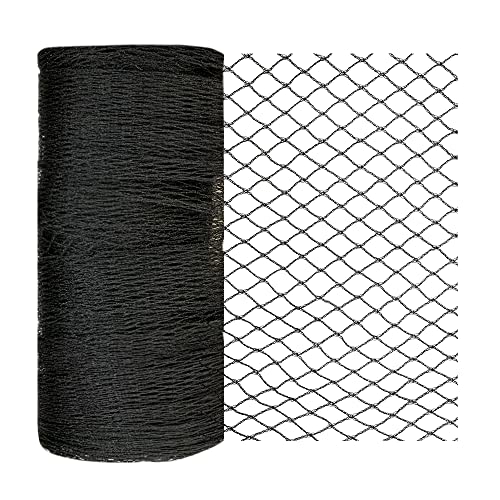
Junkogo’s heavy-duty, 1-inch mesh bird netting is designed for garden protection against a broad range of birds, as well as small animals. The woven construction yields a sturdy net that resists tearing by squirrels and other pests, offering durable protection for plants, fruit trees, and vegetables. The material balances strength and light transmission, allowing sunlight and rain to reach crops. With a weight suitable for multiple growing seasons, it can be easily deployed over larger garden beds and curved or irregular layouts without excessive tangling.
The 1-inch mesh targets the majority of avian intruders, while also helping deter rabbits, raccoons, opossums, and similar threats. The netting is designed for easy setup and can be cut to fit specific areas. Users should ensure proper anchoring along the edges to prevent wind-driven displacement in exposed locations.
Feitore Deer Fence Netting, 7×100 Feet
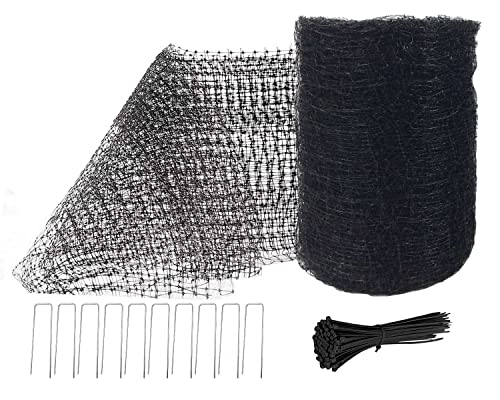
Feitore’s deer fence netting offers a large coverage area with a 3/4 inch square mesh designed for garden protection. The 7 feet by 100 feet roll provides a robust barrier around plants, shrubs, and fruit trees, with installation hardware included. Made from high-quality polypropylene, the netting is lightweight yet durable, and it resists rust, tearing, and tangling. The netting is suitable for bird exclusion while accommodating plant growth, and it doubles as a versatile solution for other wildlife barriers without harming birds or plants.
The design emphasizes reusability and economical protection, making it appropriate for long-term gardens, orchards, and landscape borders. When deploying, ensure the net is tensioned and anchored to prevent sagging, particularly in windy locations. This netting can also function as a general wildlife barrier beyond avian control.
Bird-X Standard Bird Netting, 200′ x 14′

This larger version of the Bird-X standard netting extends protection over more expansive areas, making it suitable for perimeter protection around buildings, large vents, or broad garden zones. The 3/4 inch hole opening continues to provide effective exclusion without completely occluding daylight or airflow. As with the shorter version, a proper installation is crucial to maximize efficiency and prevent gaps where birds could bypass the barrier. It remains an accessible, reusable option for homeowners addressing widespread avian pressure.
Consider using tensioned lines or edge anchors along long runs to maintain a taut installation. Because the netting is lightweight, it can be draped over irregular shapes with careful shaping and securing of corners and edges.
Vocray Bird Netting for Chicken Coop, 50×50 Ft
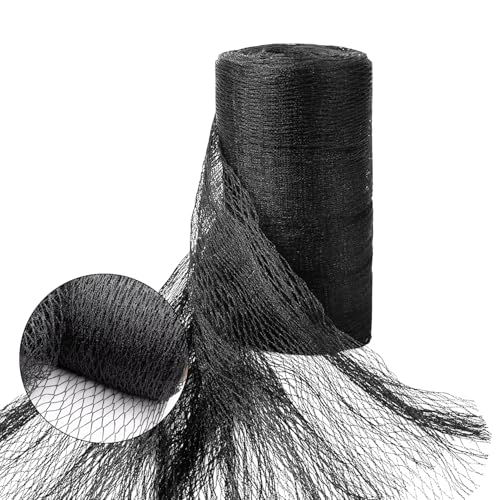
Vocray’s 50×50 foot bird netting features a 1 inch mesh designed to balance predator exclusion with practical garden use. This heavy-duty, HDPE woven netting is built to withstand outdoor conditions, including UV exposure, wind, and seasonal temperature swings. It’s suitable for chicken coops, fruit tree canopies, and garden plots, offering a versatile barrier against birds and other small intruders. The mesh size also helps keep smaller animals out while allowing rain and sunlight through, supporting plant health and growth.
Installation emphasizes durability: secure edges with stakes, ties, or nails and check the net for wear after storms. The larger mesh reduces risk of tangling, and the material’s resilience supports reuse across multiple growing seasons.
Buying Guide: Key Considerations For Choosing Bird Netting
- Mesh size: Smaller mesh (e.g., 1/2″ to 3/4″) blocks tiny birds and nesters, but be mindful of airflow and light. Larger mesh covers broad areas with less weight but may allow smaller pests through.
- Material and UV stability: Outdoor nets should resist sun exposure, rot, and tearing. Look for UV-stabilized plastics like HDPE or polypropylene with anti-aging additives.
- Durability and reusability: Heavy-duty woven nets withstand wind and animal contact. Reusability reduces long-term costs and waste.
- Size and coverage area: Match net dimensions to the target area. For irregular shapes, consider nets that can be cut or easily shaped without fraying.
- Installation method: Include or prepare for stakes, ties, and nails. Edges should be anchored securely to prevent sagging or gaps at corners and along walls.
- Impact on plants: Ensure the netting does not interfere with plant growth, pollination, or irrigation. Some nets allow watering directly through the material.
- Multi-use versatility: Some nets can double as deer, rabbit, or poultry barriers. If you face multiple wildlife pressures, a single solution may cover several needs.
- Maintenance: Inspect for wear, rips, or loosening edges after storms. Replace damaged sections promptly to maintain full protection.
- Cost versus area: Consider total area covered and expected lifespan. Heavier nets may cost more upfront but save money over time through durability.
Practical Comparisons
- Small-area, lightweight installations: 3/4″ mesh Bird-X nets are straightforward, effective for vents and patios without overly darkening the space.
- Garden and crop protection: 1″ mesh options from Junkogo or Vocray provide robust barriers for larger plots and include features like UV resistance and weather tolerance.
- Large-area perimeter coverage: 200′ long Bird-X nets extend protection along building exteriors or expansive garden borders, though require careful installation for tension.
- Deer and multi-animal barriers: Feitore and similar deer netting offer broader wildlife protection, suitable for trees, shrubs, and perimeters where deer pressure exists.
- Poultry and coop protection: 1″ mesh nets from Vocray balance predator exclusion with maintaining access for air and rain in chicken coops.