The attic is a major source of heat loss in many homes. Selecting the right batt insulation can improve comfort, reduce energy costs, and maintain consistent indoor temperatures. This article highlights five top batt insulation products and related attic insulation aids to consider for attic spaces, with objective details on their features and suitability for various soffits, joists, and climate zones.
Summary of chosen products
| Product | Brand | Type | Key Benefit | Typical Use |
|---|---|---|---|---|
| 512 SQFT 8 Bags R-38 Unfaced | Owens Corning | Unfaced Fiberglass Batt | High R-value per batt, versatile for attic spaces | Between trusses in attics |
| R-19 Faced 23×48 | Owens Corning | Kraft Faced Fiberglass Batt | Moisture barrier, good for exterior surfaces and interior walls | 2×6 framing, floors or walls |
| R-30 Kraft Faced 15×48 | Knauf | Kraft Faced Fiberglass Batt | Moisture barrier with higher density | 2×8 attic floors or cathedral ceilings |
| R-38 Kraft Faced 15×48 | Knauf | Kraft Faced Fiberglass Batt | Higher insulation for deeper joist bays | 2×10 attic applications |
| Attic Door Insulation Covers | LEMOONE / SmartATTIC | Attic Door Insulation Cover | Air sealing at attic doors, reduces radiant heat transfer | Attic stairs doors and pull-down doors |
Note: The listed items cover both traditional batt insulation and door insulation accessories that help seal attic access points. Always verify attic air gaps, ventilation space, and local building codes before installation.
Owens Corning 512 Sqft R-38 Unfaced Batt Insulation
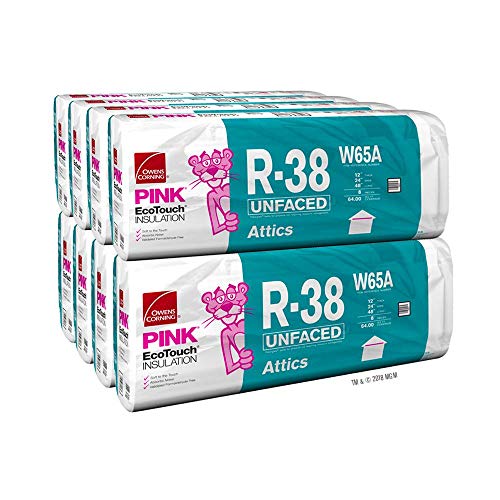
Product overview: This unfaced insulation is designed for attic applications, installed between trusses. The eight batts per bag yield a total of 64 square feet per bag, with a combined coverage of 512 square feet. The product contains no paper backing, making it suitable for interior applications where a kraft facing is not required or desired. It is recommended for attic spaces with adequate air ventilation to prevent moisture buildup, typically requiring at least 2 inches of vented air space. Suitable for soundproofing and general attic thermal performance.
Owens Corning R-19 Faced 23×48 Fiberglass Batt Insulation

Product overview: Kraft faced fiberglass batt insulation, offering moisture barriers suitable for exterior surfaces. The configuration comprises two bundles of five bags, totaling 10 bags and covering up to 1,280 square feet. This option is designed for 2×6 framing and similar exterior-facing assemblies, representing a practical choice where a moisture barrier is beneficial for attic or wall applications. Readiness for pickup at designated warehouses adds shopping flexibility for installers.
Knauf R-30 Kraft Faced 15×48 Batt Insulation

Product overview: This Kraft faced fiberglass batt is designed for attic floors and cathedral ceilings, with eight bags totaling 440 square feet. The moisture barrier provides exterior-surface compatibility and simplifies certain installation scenarios. The two bundles of four bags each offer manageable handling while delivering a robust R-30 in deeper joist bays.
Knauf R-38 Kraft Faced 15×48 Batt Insulation

Product overview: This kraft-faced insulation provides a moisture barrier ideal for exterior surfaces while delivering a high R-value in attic spaces. The package includes eight bags totaling 320 square feet. The design suits 2×10 attic installations and other deeper joist configurations, making it a strong option for energy-efficient upgrades in larger attic spaces.
LEMOONE Attic Door Insulation Cover
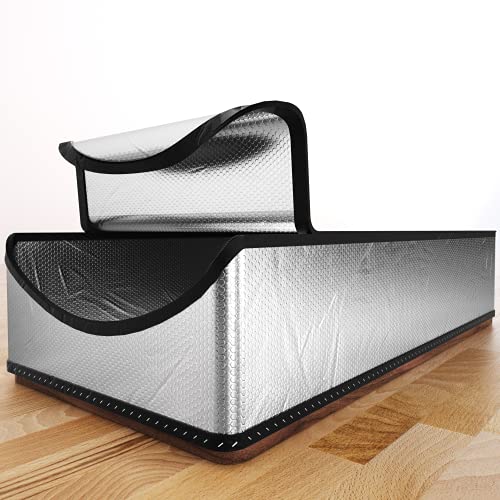
Product overview: This attic door insulation cover is designed for year-round use, sealing attic access points to reduce heat exchange. It features a thick aluminum foil surface and bubble insulation, offering an R-value around 15.5 and a fireproof construction. The cover fits openings up to 25″ x 54″ x 11″ and includes a zipper for easy access, helping to minimize energy loss through attic doors.
SmartATTIC Attic Door Insulation Cover

Product overview: This attic door insulation cover reduces heat transfer at attic doors with a heavy-duty double-bubble layer and aluminum foil. It uses a robust zipper system and aims to pay back energy savings within months rather than years. It is designed to fit attic openings similar to other covers and complements batt insulation by sealing potential air leaks at access points.
Buying Guide: Key Purchase Considerations
When choosing attic batt insulation, consider the following factors to align with climate, home design, and installation needs.
- R-value requirements: Determine the recommended R-value for your climate zone and attic type. Higher R-values improve thermal resistance but require appropriate joist spacing and coverage.
- Faced vs unfaced: Faced insulation includes a moisture barrier suitable for exterior or damp environments, while unfaced is flexible for interior attic applications without a paper backing.
- Ventilation and air space: Many attic installations require an air gap or vented space between insulation and roof decking to prevent moisture accumulation and trapping.
- Installation method: Assess whether standard batt installation between trusses or between joists is easier in your attic, and whether you need blocking or insulation supports for stability.
- Moisture and vapor barriers: In areas with higher humidity or occasional leakage, consider moisture barriers or moisture-resistant products to reduce mold risk.
- Thermal bridging: Deep joist bays benefit from higher-density or thicker batts to minimize heat transfer through framing members.
- Attic door sealing: Attic access points can be significant sources of heat loss; combining batt insulation with attic door covers improves overall performance.
- Installation logistics: Heavy bags and multiple bundles can affect handling. Plan for safe lifting, staging, and local pickup options if available.
- Code and warranty: Check local building codes and manufacturer warranties to ensure compatibility with your project and long-term performance.
Choosing the right combination of batt insulation and attic door sealing products can optimize energy efficiency by reducing heat gain in summer and heat loss in winter, while maintaining comfortable interior temperatures across rooms and levels.