Choosing the right attic insulation baffles can help maintain proper airflow, reduce moisture buildup, and improve home comfort. The following selections feature durable materials, easy installation, and designs that prevent insulation from blocking vents. This guide presents five strong options and a buying guide to help American homeowners compare features, performance, and value.
Summary Table
| Product | Brand | Key Benefit | Typical Use |
|---|---|---|---|
| SmartBaffle 16 Attic Insulation Baffle | DCI Products | 36 pieces per box; 16″ on-center bays; built-in rafter vent | Prevent insulation blockages in 14.5″ rafter bays |
| SmartBaffle 24 Insulation Baffle | DCI Products | Large 24″ on-center bays; 30 pieces; strong airflow channel | For wider rafter bays up to 24″ |
| Durovent With Baffle Attic Vent Channel | ADO Products | Water resistant; wind and rain protection; easy positioning | Ventilation with weather resistance |
| A Do Products UPV2248 Attic Baffle Plastic Provent | ADO Products | Plastic baffle system; pack of 100 | General ventilation in multiple bays |
| LEMOONE Attic Door Insulation Cover | LEMOONE | All-year energy savings; quick three-step installation | Insulated attic stair door openings |
SmartBaffle 16 Attic Insulation Baffle
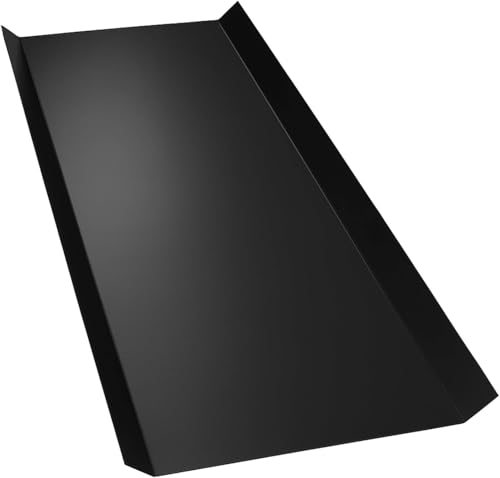
These 3-foot polyethyene baffles are designed for 16″ on-center rafter bays. The package includes 36 baffles per box, providing ample coverage to keep insulation from blocking airflow in a typical attic. The built-in rafter vent helps manage moisture, while the overall design aims for a dry, energy-efficient attic space. Installation is described as straightforward, with a focus on securing insulation and maintaining a clear air channel. The product emphasizes preventing insulation from obstructing the ventilation path and reducing heat buildup that can affect indoor comfort.
Features referenced include: 16″ bay compatibility, 36 pieces per box, 3-foot length, built-in rafter vent, and emphasis on preventing insulation blockage. This option is suitable for homeowners looking to improve attic ventilation without complex installation steps. Durability and long-term performance are highlighted by the box’s design that aims to resist shifting and maintain airflow integrity over time.
SmartBaffle 24 Insulation Baffle

Designed for 24″ on-center rafter bays, these baffles aim to maximize attic ventilation by maintaining an open channel for airflow. The box size is noted as providing 30 pieces, which is suitable for larger attic footprints and wider bays. The product stresses easy installation and a tight fit to prevent movement that could disrupt airflow. In addition to preventing insulation blockages, the baffles are marketed as contributing to energy efficiency through better air distribution and reduced heat buildup.
According to the features, these baffles offer: compatibility with 24″ rafter bays, a 2″ air channel system, hassle-free installation, secure insulation positioning, and a focus on reducing energy consumption by preserving ventilation paths. This option is appropriate for homes with wider attic spaces or newer construction with generous bay spacing.
Durovent With Baffle Attic Vent Channel

This option emphasizes durability, offering water resistance and wind-blocking capabilities to protect attic spaces from weather-related moisture and drafts. The Durovent baffle is presented as an economical solution for ventilating while simultaneously shielding the attic from external elements. Easy positioning and stapling are highlighted, enabling straightforward installation across a range of heel heights. The product suggests a focus on both airflow and weatherproofing, addressing multiple attic climate considerations.
Key takeaways include: moisture resistance, wind protection, easy installation, and compatibility with various roof angles. For homeowners seeking a budget-friendly yet reliable venting solution, Durovent combines ventilation with practical weatherproofing, reducing potential heat gain and moisture-related issues in the attic.
A Do Products UPV2248 Attic Baffle Plastic Provent

Packaged as a 22″ x 48″ plastic Provent baffle, this product is positioned as a versatile option for creating consistent ventilation across multiple bays. The description notes the 22″ x 48″ dimension and the model UPV2248, signaling a broad coverage per unit and compatibility with standard attic layouts. Emphasis is placed on maintaining airflow by preventing insulation from entering ventilation channels, thereby supporting energy efficiency and moisture control.
Benefits highlighted include: simple integration with existing insulation setups, durable plastic construction, and a focus on preserving air channels. For homes with larger bay configurations or where extended coverage per baffle is desirable, this option can reduce the number of units needed while sustaining effective ventilation.
LEMOONE Attic Door Insulation Cover
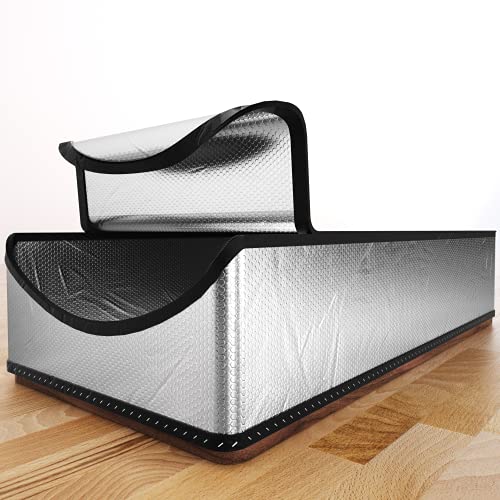
Although not a traditional vent baffle, this attic stair door insulation cover targets energy savings by sealing attic openings year-round. The product claims an all-year insulation performance, quick three-step installation, and compatibility with openings up to 25″ x 54″ x 11″. The design focuses on reducing heat transfer, keeping conditioned air inside while preventing dust and pollutants from entering the living space. It is positioned as a complementary solution to baffles in a comprehensive attic insulation strategy.
Key features include: energy savings, simple installation, zipper access for safe stair use, and fireproof-like foil composition. For homeowners seeking to enhance year-round energy efficiency and air quality near attic stairs, this cover provides a practical option to reduce drafts when the attic is not actively in use.
Buying Guide: Key Purchase Considerations And Comparisons
When selecting attic baffles or related insulation components, consider how each product fits your attic’s design, climate, and energy goals. Here are important factors to evaluate:
- Bay size compatibility: Choose baffles that match your rafter bay spacing (e.g., 16″ on-center, 24″ on-center). Mismatches can lead to ineffective airflow or the need for more units.
- Air channel design: Look for products with a clear air channel and built-in venting features that minimize insulation blockage and ensure steady ventilation.
- Material durability: Plastic or polyethylene baffles are common; ensure UV resistance and long-term stability in attic environments to prevent warping or collapse from temperature changes.
- Weather protection: If wind-driven moisture is a concern, consider baffles with water resistance or integrated weather-blocking features, such as Durovent variants.
- Ease of installation: Easy-to-position designs reduce installation time and improve the likelihood of a proper seal. Check packaging for instructions and any required fasteners.
- Complementary accessories: In addition to baffles, consider attic door insulation covers or stairway insulators to address drafts and energy loss from attic entrances.
- Cost versus coverage: Compare pieces per box, total feet of coverage, and overall square footage protected. A higher upfront cost may yield better long-term energy savings if fewer units are needed.
- Environmental impact: Some products emphasize energy efficiency and moisture control, which can contribute to healthier indoor air quality and a more stable attic environment.
In practice, combining high-quality baffles with well-sealed attic entry covers can offer a more complete approach to maintaining ventilation, reducing heat gain, and controlling moisture. For homes with larger bays or wider attic spaces, larger-bay baffles and longer coverage options may reduce the number of units required and simplify installation.